EXPERT ADVICE
“When the weather gets cool, the cockroaches are much less active,” says Smith. “They almost go dormant, even though they don’t necessarily die out.”
Want to learn essential tips for how to get rid of wasps and their nests? From safe DIY methods, to identifying the specific wasp species hovering in your space, we’ve got you covered.
If you've experienced an Australian summer, you've likely had a close encounter with a wasp. They hover, inspect and sometimes sting unexpectedly, delivering a painful sting.
Like fly control, staying on top of wasps around your home is crucial. If wasps establish themselves in your backyard or on your verandah, you’d better act quickly!
Fortunately, there are many DIY methods for wasps and wasp nest removal. With our handy tips on how to eliminate or deter wasps from nesting at your place, you’ll be on top of your wasp problem in no time.
Safety warning when it comes to dealing with wasps
Before treating wasps, it is important that you take precautions to prioritise your safety. If you are not comfortable treating wasps yourself, we recommend calling a professional. If wasps are too high to reach such as that on a double story home or a high tree, we recommend calling a professional. Ensure adequate protective gear is worn. When treating with Mortein insect killer products, ensure the Mortein product used mentions wasps on its label. Also ensure that wind is coming from behind you and blowing towards the wasp’s nest. Stand as far from the nest as possible and not directly underneath the nest. Spray only at dusk or dawn with low levels of light when wasps are dormant.
The low-down on how to exterminate wasps and prevent their return
Unlike getting rid of mosquitos, keeping wasps away requires a diverse approach with various repellent methods.
1. Use insecticides and hang wasp traps
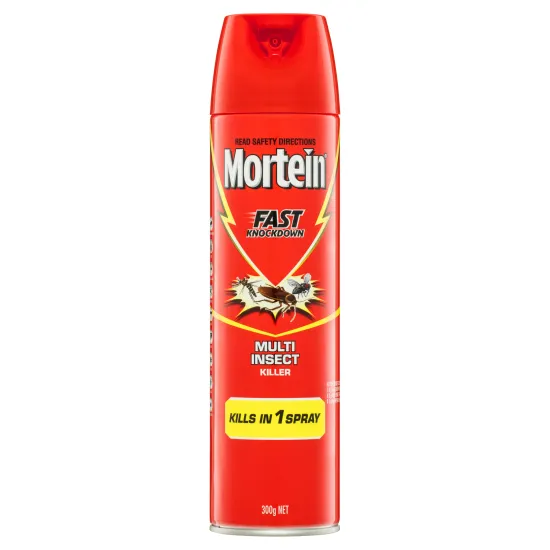
If you want to know how to eliminate wasps, there is nothing more straightforward than using a chemical product. For example, Mortein PowerGard Insect Spray Multi Insect Killer can help you kill directly the wasp in a short amount of time.
Another tick is to hang outdoor wasp traps. You can easily make these yourself. They use a sweet, sticky solution that lures wasps through a narrow entrance that prevents them from flying back out. Once inside, they're stuck.
While they're handy for keeping individual wasps away, they may not be the best solution to get rid of a wasp nest.
2. Maintain your garden
Wasps are attracted to shade and protection. Trim your shrubs, trees, and bushes to deter them from nesting in your garden.
3. DIY wasp nest removal
Start by spraying the wasp nest with a store bought chemical such as Mortein PowerGard Insect Spray Multi Insect Killer at least 24 hours before removal.
Once the nest appears quiet, follow these steps:
Important safety tips
When to call a professional to get rid of wasps
If you've tried all these steps and you're still seeing wasps lurking in your garden or making their way indoors, there's a high chance there's a wasp nest somewhere in your wall cavities, ceiling space, or garage. Not to worry, you can find professionals who know how to get rid of wasps and wasp nests of all shapes and sizes in your local area with a quick internet search.
Frequently asked questions FAQ
What kind of wasp do I have?
There are three main types of wasps in Australia.
Paper wasps
Mud-dauber wasps
European wasps
How can I tell if I’m dealing with a bee or a wasp?
Before you take steps to get rid of wasps in your home or garden, make sure they are indeed wasps. Honey bees and wasps are often confused with each other, but they are quite different. While wasps are considered pests, honey bees are essential as a keystone species in our environment.
Honey bees are vital to our ecosystem and we strongly advise against removing them from your yard or property.
There are four key ways to differentiate between wasps and bees.
Sources