HOW TO DESTROY A COCKROACH NEST?
Cockroaches. Even the mere mention of the word is enough to make you shudder in disgust.

Are you a mozzie magnet? Or are you one of those lucky people with natural mosquito repellent superpowers?
It turns out there really are two extremes. Some get bitten by mosquitoes a lot and some less. However, if you’re one of the unlucky 20%* of the population that gets bitten more often than everyone else, you probably already knew that. We all know how those bites can drive you up a wall with how annoying they can be. But apart from forgetting to use insect repellent, what makes some people more attractive to mozzies than others?
As it turns out, there’s actual scientific reasons as to why you’re getting more bites compared to the others. Read below to find out what these reasons are. Arm yourself with that knowledge so you’re ready to take on those mozzies the next time they want a nibble.
Why do mosquitoes like me?
There are a lot of reasons why mozzies tend to bite certain people compared to others. The main ones include the following:
Of course, this doesn’t mean that if you don’t fit any of the criteria above, you won’t get bitten. It’s still very much a possibility. But if you do fall under any of the categories mentioned, you might want to stock up on the repellents, continuous protection solutions and bug spray so you’re better prepared for those bites.
Why do mosquitoes bite in general?
The logical reason seems to be hunger-related, right? It’s easy to come to that conclusion. But contrary to popular belief, mozzies don’t bite us because they’re hungry. In fact, their primary food source is actually plant nectar. Instead, they need our blood because they seek proteins that are needed to develop their eggs. For this reason, only female mosquitoes that have a nibble.
H2: What happens if I let mosquitoes bite me?
Generally, mosquito bites can prove to be quite the nuisance in our everyday lives. They can form itchy, painful bumps on our skin that can trigger us to scratch the affected area. This then leads to the bumps getting worse and even itchier, which starts the nasty cycle anew. These spots can even get infected if you scratch too much. An allergic reaction to mozzie bites can also lead to severe reactions such as hives, rashes and swelling.
Beyond that, there’s also the fact that mosquito bites can carry various illnesses such as dengue, Zika virus, chikungunya, malaria and more in some tropical areas. That’s why if you’re the type of person who gets bitten more often, you should be extra careful when dealing with mosquitoes, especially when you travel to tropical places. And even if you’re one of the lucky ones, practise that same carefulness all the same.
How do I get them to stop?
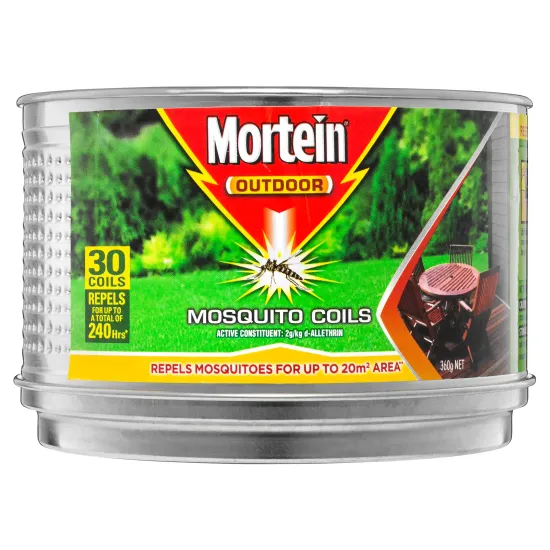
You’ve probably seen or read a lot of those home remedy tricks to get the mozzies to leave you alone. Unfortunately, research*** has shown that the old home remedy of vitamin B doesn’t actually work. So, if you’re a mozzie magnet, the best and most practical way to get them to back off is to grab the mosquito repellent and insecticide to keep the suckers at bay.
If you want to know how to get rid of mosquitoes through other means as well, we’ve got you covered:
If a mosquito has bitten me, what do I do?
Even with precautionary measures, sometimes those little suckers can get past all of those and sneak a bite in anyway. It wouldn’t be your fault of course. Those mozzies are just small enough to go unnoticed that you might only notice the bite hours after you’ve already been bitten. So what do you do now?
For bites, always remember to not scratch them if you can help it. We know it can be an absolute agony to just leave them be when they’re so itchy, but trust us, you don’t want to do that. Scratching them will end up worsening the condition and can even lead to infections. Instead, just wash those bites with soap and water, and go to your local chemist for advice on what anti-itch cream or other solutions you should use.
If you’re worried you’ve been bitten by a carrier of any of the mosquito-borne diseases mentioned above, especially if you’ve just visited a prone area, call your local GP or health practitioner. Watch out for tell-tale infection symptoms such as fever or head and body aches. From there, listen to what they’ll say about your treatment plan so you can feel better as soon as possible.
Whether you’re a mozzies’ favourite snack or you don’t get bitten at all, you should be vigilant of these mosquitoes just the same. Take note of the tips above and keep to it so you can keep your home safe from mosquitoes flying about and any diseases they carry. Remember to follow them and those pesky mozzies will think twice about nibbling on you the next time you’re around.
*Markwalter, C.F., Lapp, Z., Abel, L. et al. Plasmodium falciparum infection in humans and mosquitoes influence natural Anopheline biting behavior and transmission. Nat Commun 15, 4626 (2024). https://doi.org/10.1038/s41467-024-49080-9
**Coutinho-Abreu, I.V., Jamshidi, O., Raban, R. et al. Identification of human skin microbiome odorants that manipulate mosquito landing behavior. Sci Rep 14, 1631 (2024). https://doi.org/10.1038/s41598-023-50182-5
***Shelomi M. Thiamine (vitamin B1) as an insect repellent: a scoping review. Bull Entomol Res. 2022 Aug;112(4):431-440. doi: 10.1017/S0007485321001176. Epub 2022 Feb 24. PMID: 35199632.
ⴕAlonso San Alberto D, Rusch C, Zhan Y, Straw AD, Montell C, Riffell JA. The olfactory gating of visual preferences to human skin and visible spectra in mosquitoes. Nat Commun. 2022 Feb 4;13(1):555. doi: 10.1038/s41467-022-28195-x. PMID: 35121739; PMCID: PMC8816903.
Sources: