HOW TO KEEP COCKROACHES AWAY
Cockroaches in your home can be distressing and unpleasant. While you can learn how to stop cockroaches and eliminate them from your home, they say prevention is better than cure.
Flea bites on humans result in small, itchy bumps with skin discolouration from feeding on blood. Flea bites are very itchy and scratching them can lead to infections. Swift action is essential for home flea infestations. Wondering how to treat flea bites on humans and get rid of fleas in your house? There are several effective methods available.
Are animal and human fleas different?
There are over 2,000 types of fleas worldwide, including varieties that infest both animals and humans. Common in Australian households are cat and dog fleas, which can also bite humans.
Fleas are wingless insects, typically dark brown or black with flat bodies and six legs, capable of jumping up to 20 cm. They survive by feeding on the blood of humans, dogs, cats and other animals. Fleas grip their hosts with strong claws at the ends of their legs and use a needle-like proboscis to pierce the skin, sucking blood and injecting saliva into the bloodstream.
Due to their ability to jump great distances, they easily move from one host to another, potentially spreading diseases like tapeworms and, occasionally, murine typhus.
The main types of fleas that bother humans are:
In Australia, both cat and dog fleas are common.
What does a bite from a flea look like
Flea bites on people typically present as small, red bumps clustered in groups of three or four, or in a straight line. These bumps tend to stay relatively small compared to mosquito bites. Occasionally, a red "halo" around the centre of the bite may also be noticeable.
Common areas for flea bites on humans:
Symptoms of flea bites on people
If you suspect flea bites, it’s useful to know what symptoms to watch for. Flea bites have some key signs that can help you identify them and take the right steps. Here’s what to look for:
Can fleas live on humans?
Human hair doesn't provide the dense fur and warm environment that fleas prefer for breeding and feeding. Therefore, while fleas might temporarily cling to human hair, they generally won't stay for the long term. Instead, fleas prefer to take up permanent residence on dogs and cats.
How to treat flea bites on humans
Humans face minimal risk of contracting diseases from fleas, though bacteria can enter the body through bites, potentially causing infection if scratched. An infected flea bite will become red, warm and may discharge pus.
Flea bites can also trigger allergic reactions in sensitive individuals, from raised welts on the skin to difficulty breathing.
If you do get a flea bite, we recommend you consult your general practitioner or your pharmacist for advice. They will be able to indicate you the best treatment, from antihistamines to aloe vera gel.
How to treat fleas in the home
Here are some tips to get rid of fleas and protect your pets and loved ones from unpleasant flea bites on humans:
Mosquito bites vs. flea bites
If you're trying to determine whether it's a flea bite or a mosquito bite, understanding what a bite from a flea looks like can help. Flea bites often result in smaller, intensely itchy bumps, whereas mosquito bites usually appear as larger, itchier bumps and can show up singly or in clusters. More information on why mosquitoes bite can be found in this article.
H2. Bed bug bites vs flea bites
Bed Bugs emerge at night from hiding spots in mattresses and carpets to bite sleeping humans. Their bites are small raised spots with a dark red centre, often appearing in clusters or lines, which can worsen if scratched. They tend to appear around the face, neck and arms.
Unlike bed bug bites, flea bites on people often appear as clusters of small dots on the lower half of the body or in warm, moist areas like the bends of elbows and knees.
When to call for professional help
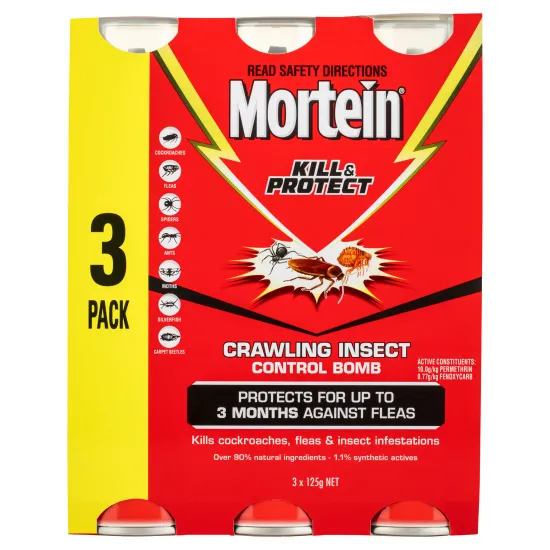
Professional flea control treatment involves a licensed pest control operator assessing the type, source and extent of the infestation. They then use registered insecticides to effectively manage the fleas. Maintaining good hygiene practices, such as regular house cleaning, helps minimise the risk of future infestations.
Summary
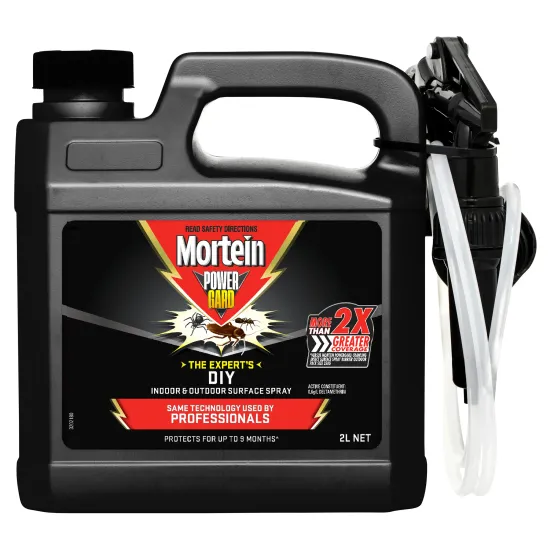
Fleas are wingless parasites that feed on humans, dogs and cats, causing red, swollen and intensely itchy flea bites that can lead to secondary infections from scratching. You can get rid of them using chemical sprays like Mortein PowerGard Easy Reach Crawling Insect Surface Spray.
For persistent flea infestations, consulting a licensed pest control operator may be necessary.
Sources