EXPERT ADVICE
“When the weather gets cool, the cockroaches are much less active,” says Smith. “They almost go dormant, even though they don’t necessarily die out.”

If you’re wondering how to get rid of silverfish, you’re not alone. Silverfish are amongst the oldest insects, dating back millions of years. They are renowned for their resilience in diverse environments. Therefore, to kill silverfish and prevent extensive damage, proactive control and monitoring are crucial.
What do silverfish look like?
If you want to know how to get rid of silverfish, you first need to know how to identify them. They are named for their fish-like shape and metallic silver or brown scales. They are quite easy to spot, once they emerge from their hiding places. They typically measure 12-19 millimeters in length, with elongated bodies, six legs and two antennae. They're also referred to as bristletails, due to the three long bristles at the end of their tails.
Knowing how to eradicate silverfish is key to a pest-free home
Similar to the need to deter ants from making a home in your house, effectively managing silverfish infestations is crucial to prevent them from thriving and spreading. Silverfish are notorious for damaging household items such as books, photographs, musical instruments, artwork, clothing and accessories. Additionally, their faeces and shed skins can trigger allergies in some people, potentially exacerbating conditions like asthma.
What do they feed on and how do you get rid of silverfish?
Understanding silverfish feeding habits is key to effectively eliminating them from your home. These pests can survive for months without food and have a diverse diet that includes grains, vegetables, fibers, sugars, fabrics, cereals, and even pet food. Knowing what attracts them can help in targeting and removing these unwanted invaders.
They also consume:
Keeping a well-ventilated home is a key tip for removing silverfish. These nocturnal insects thrive in dark, warm and humid environments. Outdoors, they seek refuge in bird and ant nests, as well as under stones, leaves and debris.
Indoors, silverfish are often found in areas such as bathrooms, laundries, basements, ceiling voids and crawl spaces. They also tend to inhabit bookcases, cupboards, linen presses and areas around window and door frames. Additionally, you might find them behind skirting boards, along carpet edges and near pipes.
They seek out crevices in:
Their feeding habits can lead to various types of damage, including dark stains and small holes from their feeding, light grey spots caused by their movement, and mould growth, which can result in dark brown stains in affected areas.
Are silverfish dangerous to humans and pets?
Silverfish are not harmful to humans as they do not bite or transmit diseases.
Unlike fleas, silverfish are not a concern for pets. While it's best to prevent pets from consuming them to avoid potential issues such as an upset stomach, silverfish are not particularly harmful if ingested.
How to get rid of silverfish insects
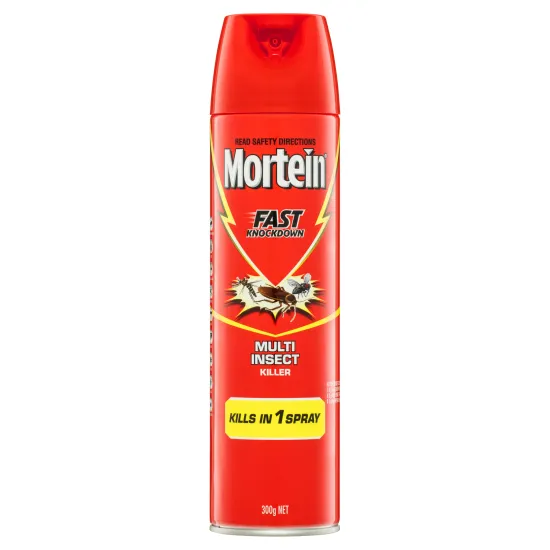
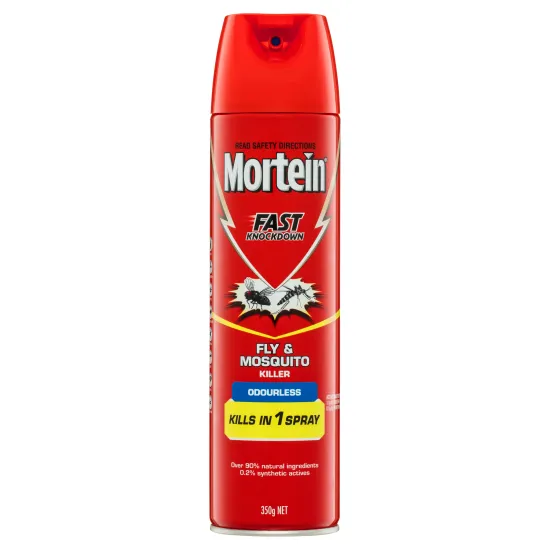
If you’re wondering how you kill silverfish quickly and effectively, you can use a chemical spray like Mortein solutions for silverfish.
For severe infestations or ongoing concerns, consider consulting professional pest control services to get rid of silverfish insects through eradication.
Tips to prevent silverfish
Like fly control, there are effective strategies to prevent silverfish from becoming a nuisance in your home:
By following these tips, you can effectively prevent silverfish from entering and thriving in your home.
Summary
Silverfish are generally harmless insects indoors, typically causing minimal damage to homes. However, in larger numbers, they can consume valuable belongings and become a nuisance. Their shed skins can also contribute to allergens which, when combined with other indoor allergens like dust, may trigger allergy symptoms such as itching, mucus buildup and coughing.
Fortunately, if you've wondered how you can get rid of silverfish in your home, eradicating them is not overly challenging. By implementing a few removal and prevention strategies, you can quickly reduce their presence or prevent them from entering your home altogether.
Sources: